


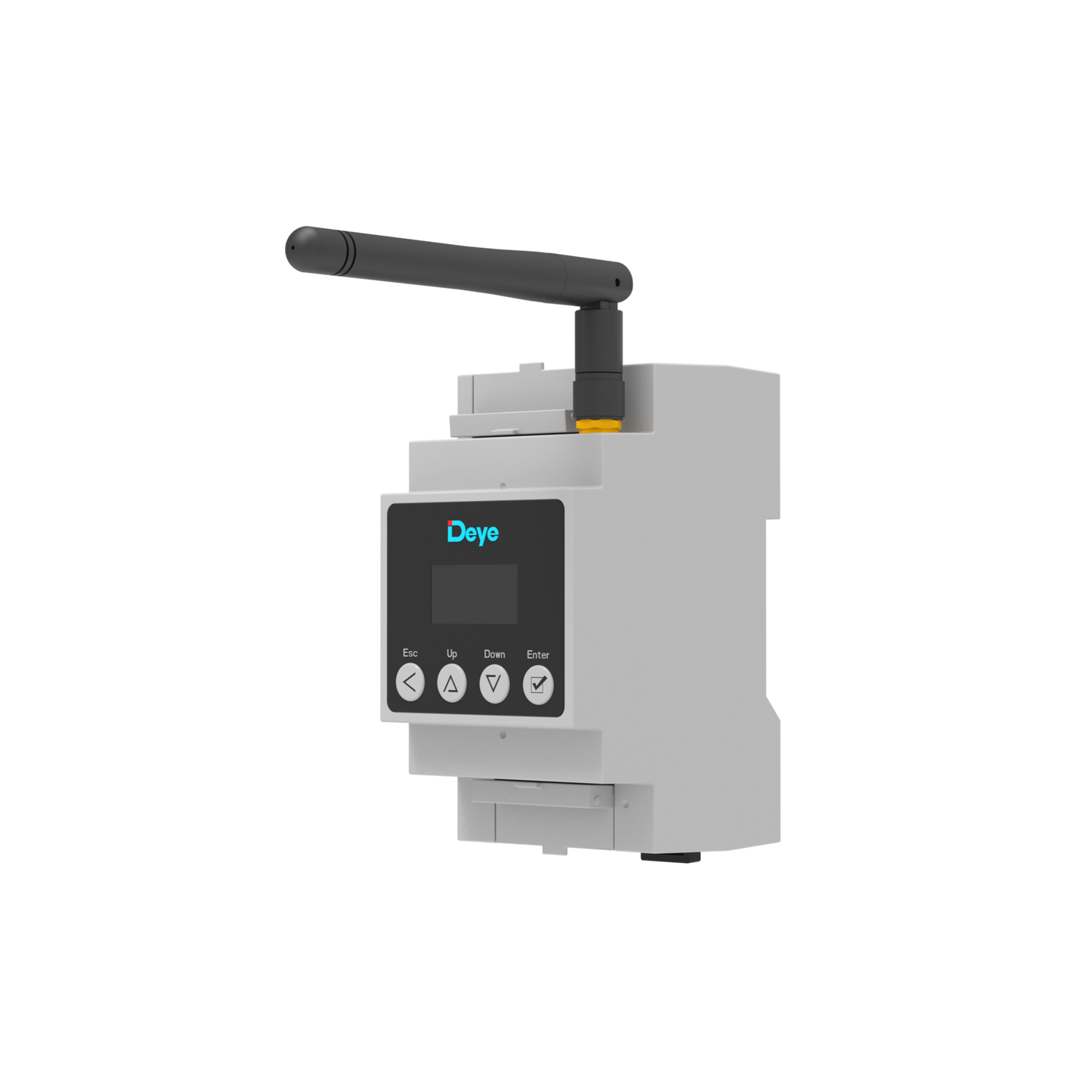
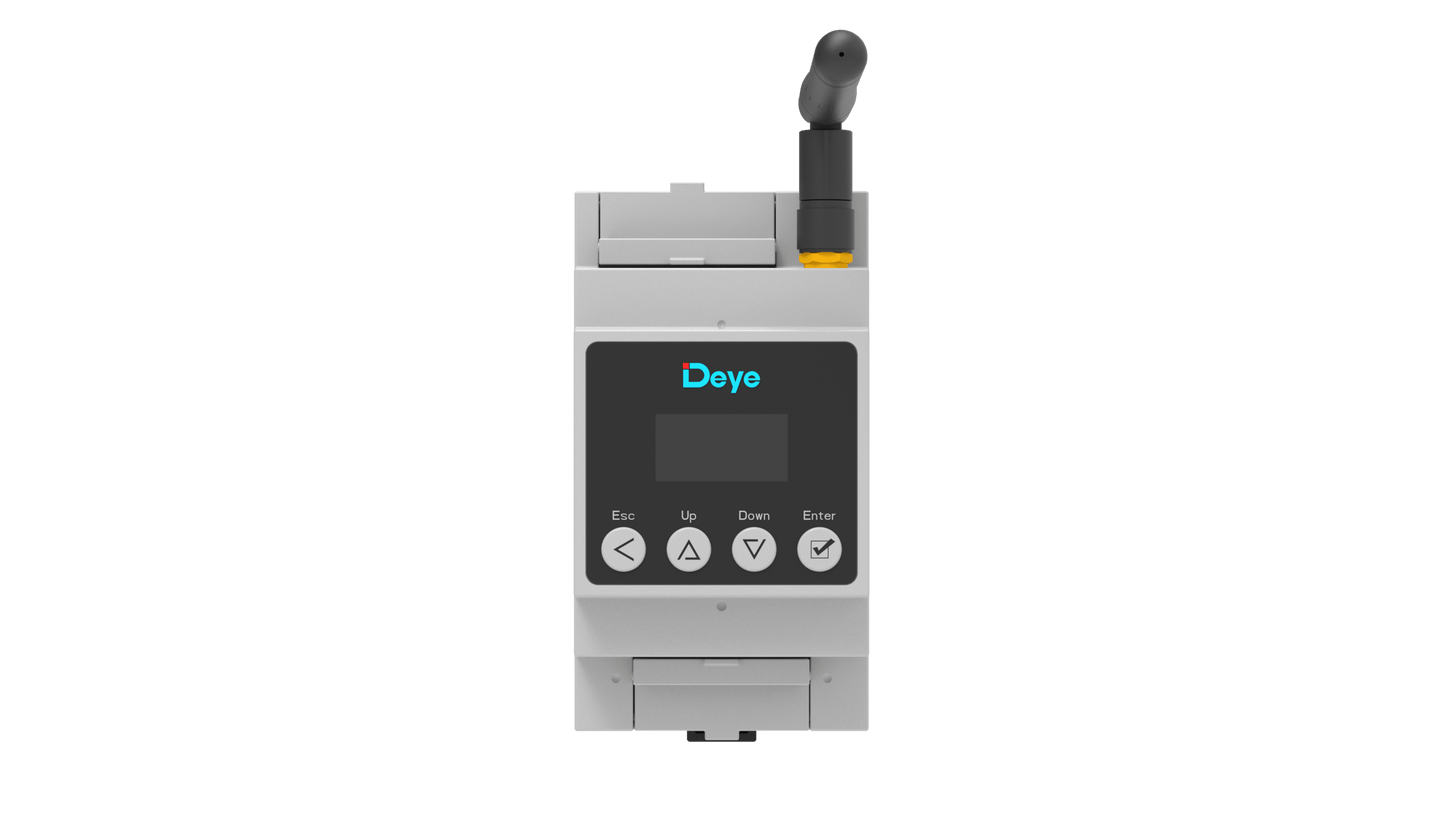
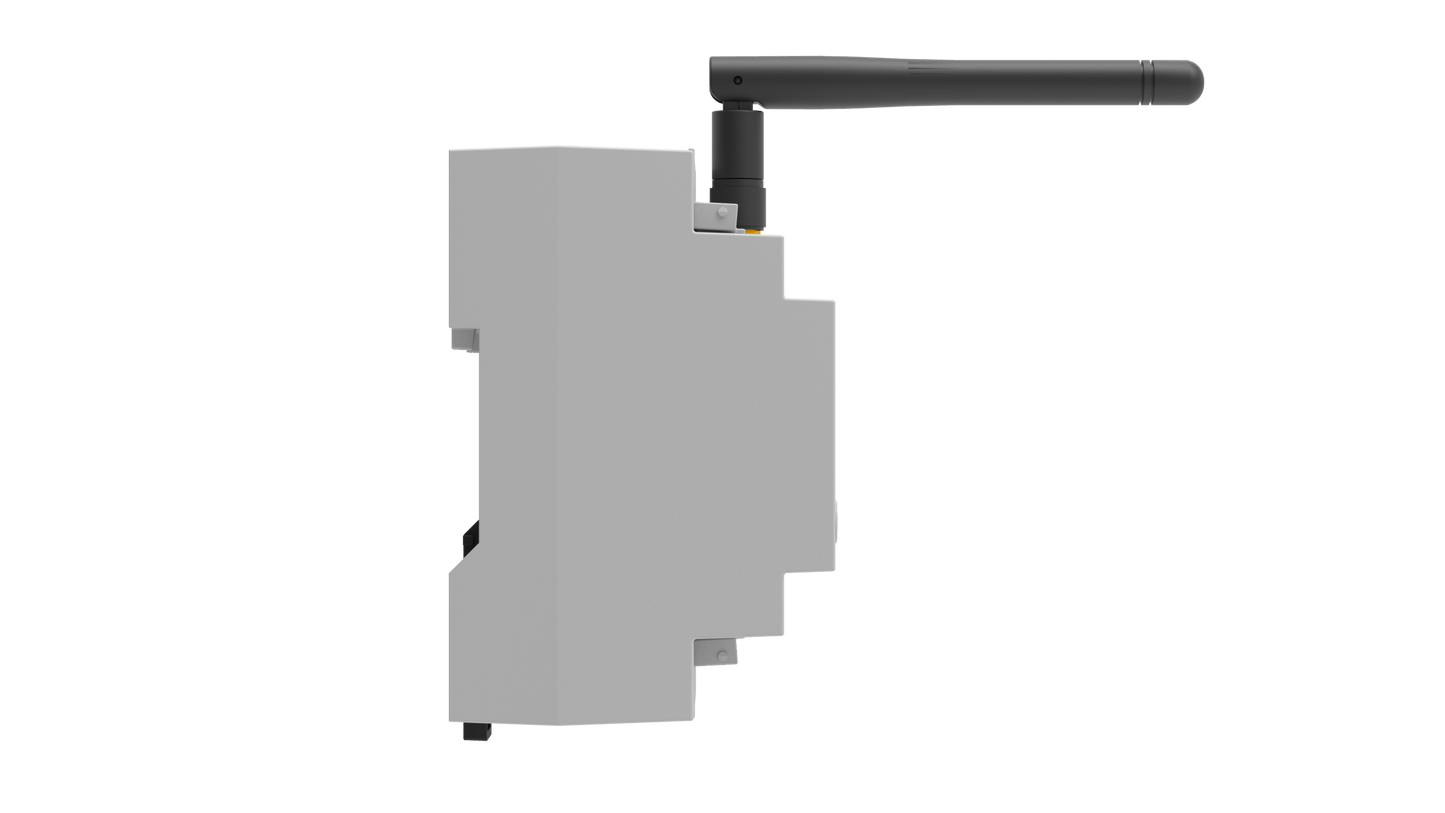
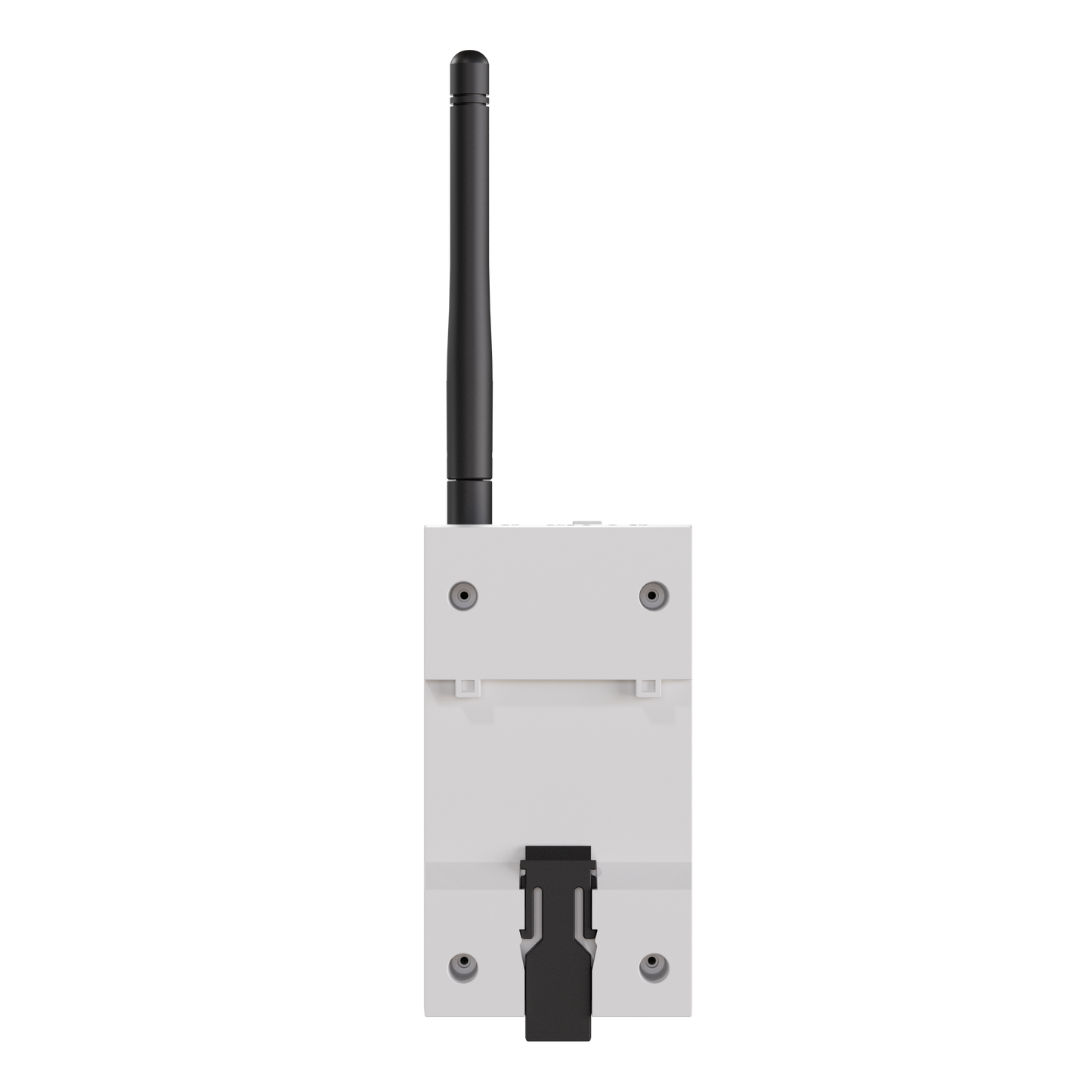
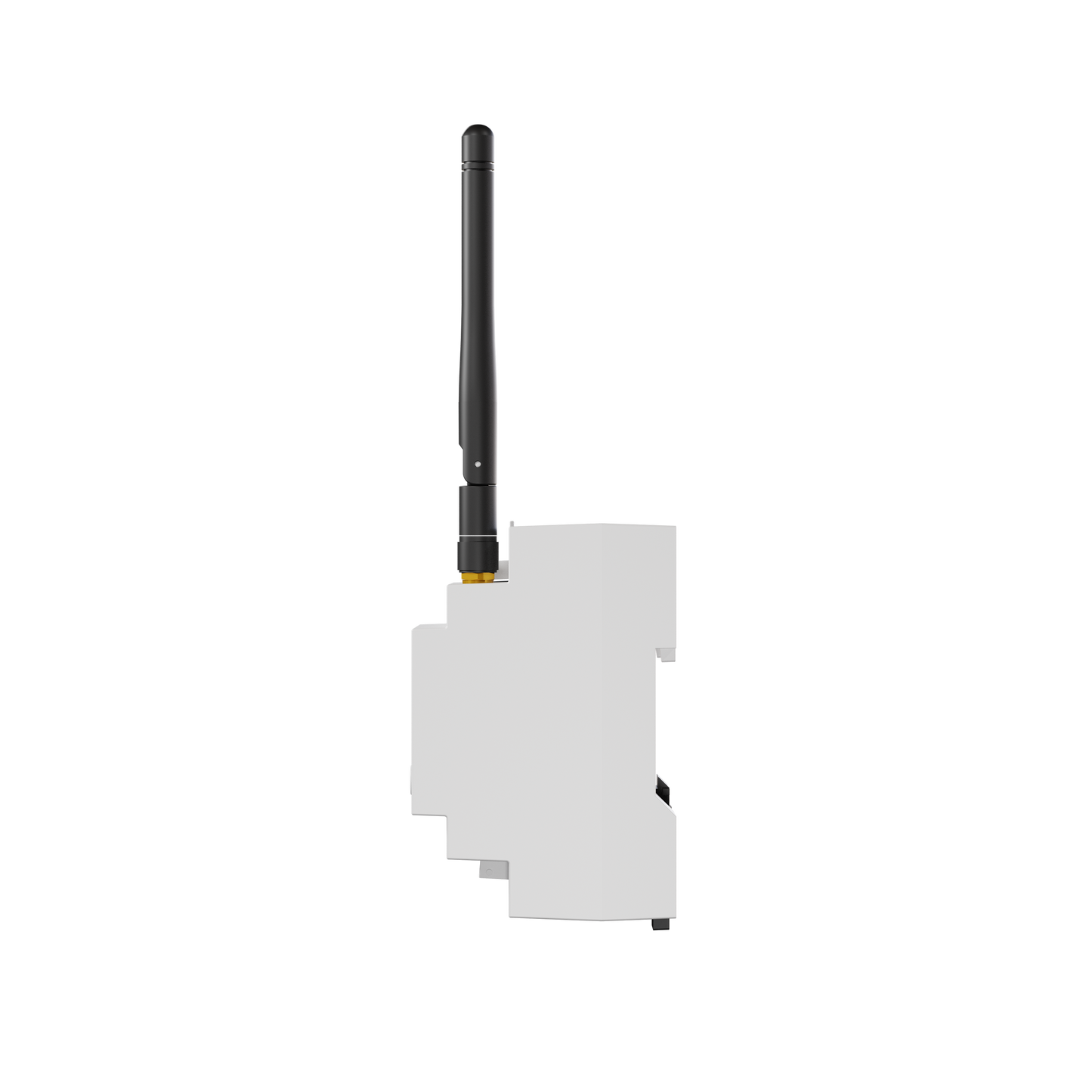
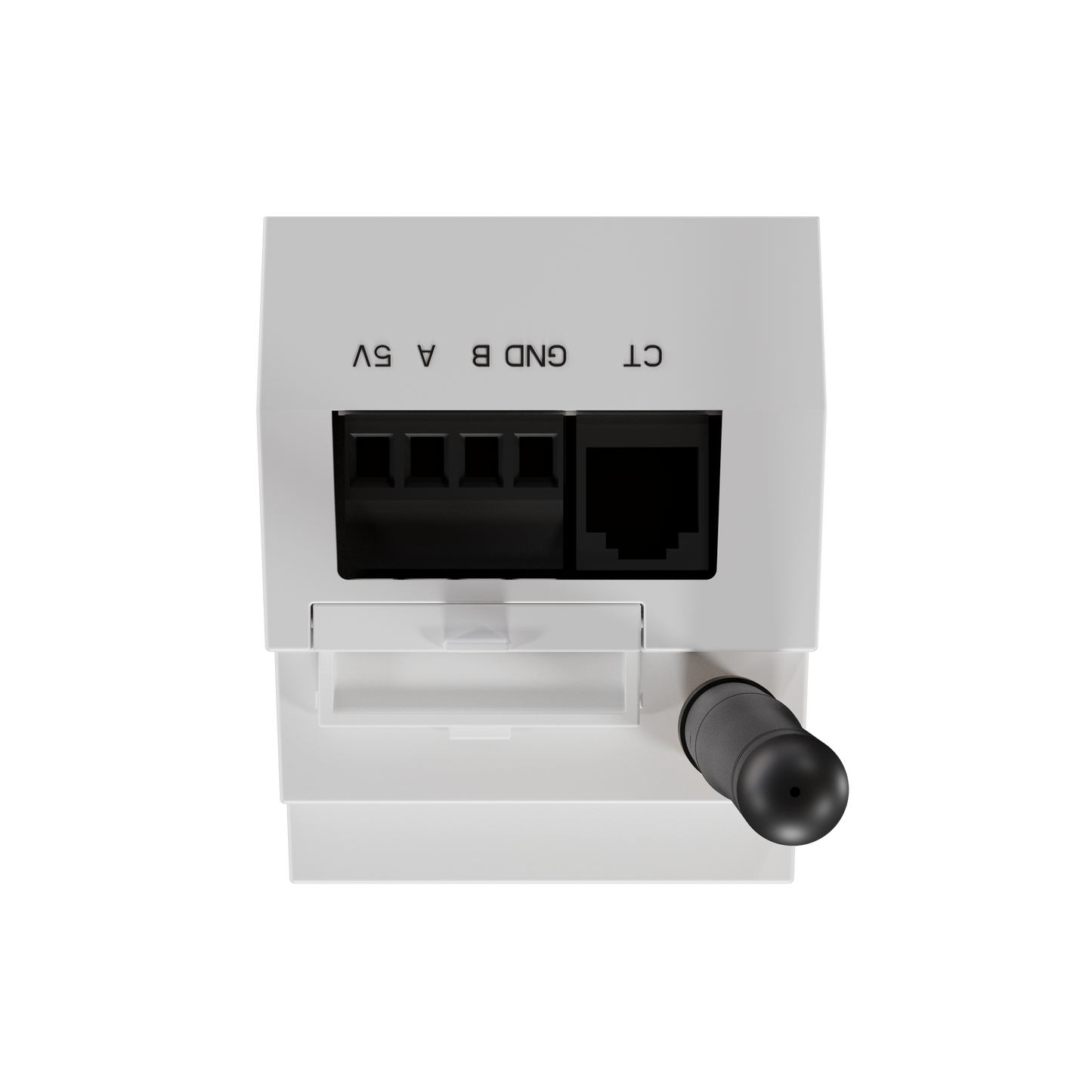


A wireless current transformer for energy monitoring that uses LoRa or RS485 communication to transmit real-time power consumption data to Deye inverters. It enables zero-export control, smart load management, and accurate energy monitoring without running cables through your home.
It depends on your connection mode. For LoRa wireless mode, you need the SUN-SMART-TX01 Smart Transmitter connected to your inverter. For RS485 wired mode, the CT connects directly to the inverter via cable — no additional equipment needed.
Up to 200 meters via LoRa communication in open space. The signal is capable of penetrating multiple walls, making it suitable for installations where the meter box is far from the inverter.
Both single phase (L1/N) and three phase (L1/L2/L3/N) configurations. For three-phase systems, multiple CT clamps measure each phase independently for precise energy monitoring.
The Wireless CT enables three key functions: zero-export control (prevents feeding energy back to the grid), energy monitoring (tracks household consumption in real-time), and smart load management (optimizes when devices run based on solar availability).
Yes. The SUN-SMART-CT01 is certified to IEC/EN 61010-1 safety standards for European markets and is intended for measurement equipment used in residential solar installations that follow applicable EU requirements.
The CT provides high-precision current sensing with real-time data transmission at 1-second intervals. This fast refresh rate ensures accurate zero-export control and responsive load management.
Yes. LoRa technology provides excellent wall penetration for reliable indoor-to-outdoor communication. Users report stable connections even through two concrete walls, making it suitable for homes and light-commercial buildings.
Compatible with all Deye hybrid inverters that have LoRa or RS485 capability. This includes the full range of Deye single-phase and three-phase hybrid inverters supported by the Deye wireless energy management system.
Non-invasive clamp-on installation — simply clamp the CT around the main power cable at your meter box. No wire cutting required. The entire installation typically takes under 10 minutes and does not require a qualified electrician.

